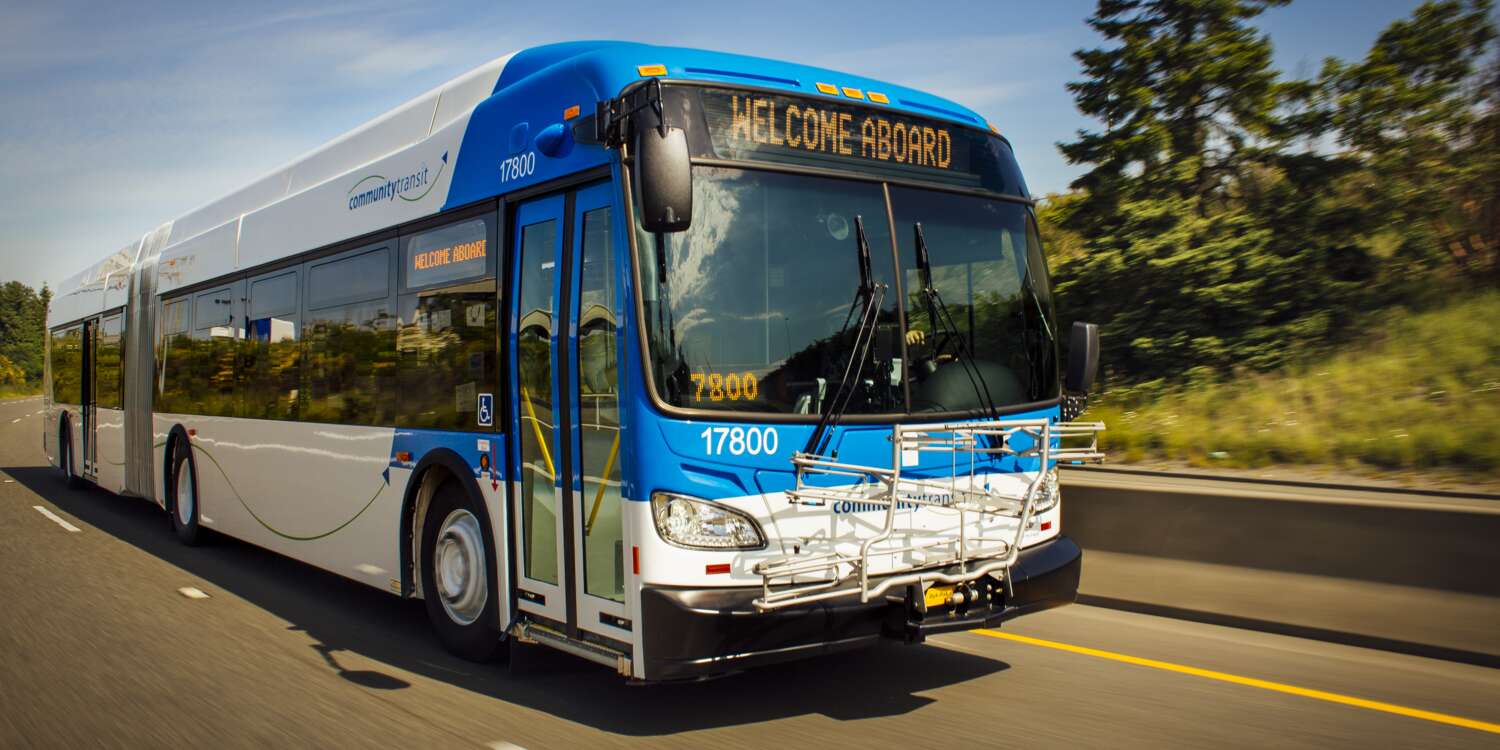
When Community Transit, the public transportation provider serving Snohomish County, needed help designing innovative transit solutions grounded in community input, they turned to Triangle Associates.
Community Transit’s Innovative Services Team focuses on piloting new transit models beyond traditional bus routes. Triangle was brought in as a trusted partner to lead the community engagement strategy, building on an earlier collaboration in Lynnwood. The Triangle team included Pauline Mogilevsky, Kim Zamora Delgado, Sophie Glass, and Cheryl Klotz.
This work involved deep partnerships with community-based organizations (CBOs), multilingual outreach partners, and local leaders in three very distinct communities: Arlington, Darrington, and Lake Stevens. Community members themselves were essential collaborators, particularly community leaders who participated in Community Working Groups throughout the life of the project.
The project centered around residents of Arlington, Darrington, and Lake Stevens—three communities with diverse needs and geographies, ranging in size, connectivity to urban areas, traffic patterns, and more. The pilot transit services aimed to serve all community members with engagement focused on connecting with youth, residents with disabilities, non-English speakers, and those with limited transportation options.
Triangle Associates was engaged because Community Transit recognized that meaningful innovation requires listening to the people who will be most affected by new transit services. The agency was not simply looking to expand service—they were aiming to tailor solutions to each community’s unique characteristics. Triangle’s role was to facilitate listening, build trust, and ensure that local voices shaped the outcome.
For Triangle, this work aligned deeply with our values—equity-driven engagement, authentic community partnerships, and supporting systems that improve quality of life. For Community Transit, the goal was clear: build services people want and will use.
The work took place over several years and across two key phases:
- Phase 1: Understanding Transportation Needs
Triangle designed and led engagement activities to gather input from residents about existing transportation gaps. Community Transit used this input to develop initial solution concepts.
- Phase 2: Gathering Preferences for Solution Concepts
With potential solutions on the table, Triangle returned to the community to gather feedback on these ideas, helping Community Transit select and pilot the most promising services.
Triangle’s engagement strategies included:
- Forming and facilitating working groups that met five times over 18 months
- Running online and in-person surveys (available in Spanish, Ukrainian, Russian, Vietnamese, and English)
- Conducting interviews and focus groups with people with disabilities and youth
- Collaborating with local CBOs for multilingual outreach and survey distribution
- Providing hybrid meeting options to increase accessibility
In the end, Community Transit implemented microtransit services (Zip Shuttles) in all three communities. The pilot program continues to adjust routes and service hours based on ongoing community feedback. Already, the expanded services have logged over 22,000 rides across four zones.
Importantly, the work didn’t just create new routes—it created a model. Arlington, Darrington, and Lake Stevens each now serve as templates for how to design community-responsive transit elsewhere in the county.
No engagement process is without its challenges, but this one also produced rich learning opportunities:
- Multilingual Outreach: We learned to focus on language communities where partners already had relationships.
- Working Groups: Hybrid formats made participation more accessible.
- Follow-Up: Allocating time and budget to follow up with participants increased trust and satisfaction.
- Client Participation: Inviting Community Transit staff to join outreach events helped build stronger, longer-term relationships with CBOs—many of which continued beyond Triangle’s involvement.
A mid-project reflection workshop between phases helped adjust strategies for better results in Phase 2, a key pivot that smoothed the process.
Thanks to thoughtful engagement and a shared commitment to equity and innovation, this project not only launched new services, but it also helped redefine how transportation planning is done in Snohomish County. Community Transit and Triangle demonstrated that when you meet people where they are, listen deeply, and co-create solutions, everyone gets further—together.